In 2025, I spent most of my time working on organic growth for an Android app on Google Play. What I learned is that ASO today is far less about tricks — and far more about alignment.
Alignment between keywords and user intent. Alignment between updates and platform expectations. Alignment between product quality and traffic scale.
Below are some of the most expensive mistakes I personally made, with real consequences and real data.
1. Chasing the "calculator" keyword — and breaking intent alignment
One of my earliest mistakes was trying to ride the popularity of the "calculator" keyword.
On the surface, it looked reasonable. My app uses a calculator-style interface — but only as a disguised launcher icon. The core function of the app is hiding other apps, not calculation.
From an ASO tool's perspective:
- high search volume
- strong competition
- clear demand
From a user's perspective:
- they searched for a calculator
- they landed on an app hider
The result was immediate and painful:
- store page conversion rate dropped from 42.44% to 21.37%
- despite higher impressions, installs declined
- shortly after, Google reduced exposure
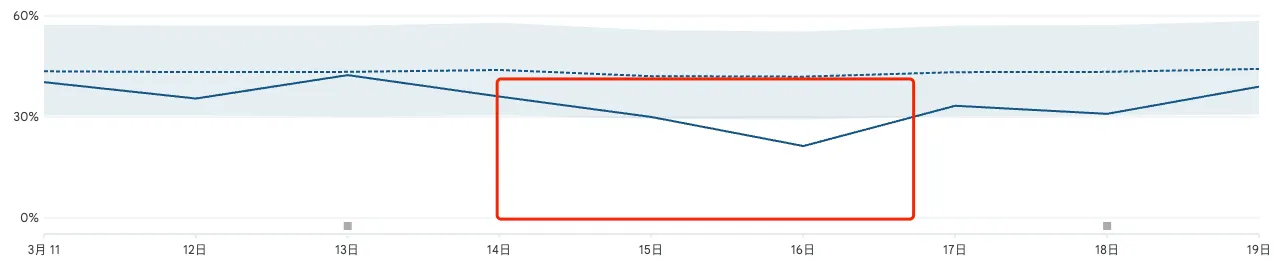
What this taught me: Google Play in 2025 clearly prioritizes keyword intent alignment. Even if a keyword technically "matches" your metadata, misaligned intent leads to poor user signals — and poor signals lead to reduced visibility.
From a policy and platform direction standpoint, Google is increasingly strict about metadata mismatch. Keyword experiments are still possible, but the tolerance for misleading intent is much lower than before.
2. Upgrading for 16 KB memory page size support — and losing devices permanently
Another costly mistake was upgrading my app to comply with Google Play's policy regarding 16 KB memory page size support.
The upgrade itself passed review without issues. But after release, I noticed something alarming:
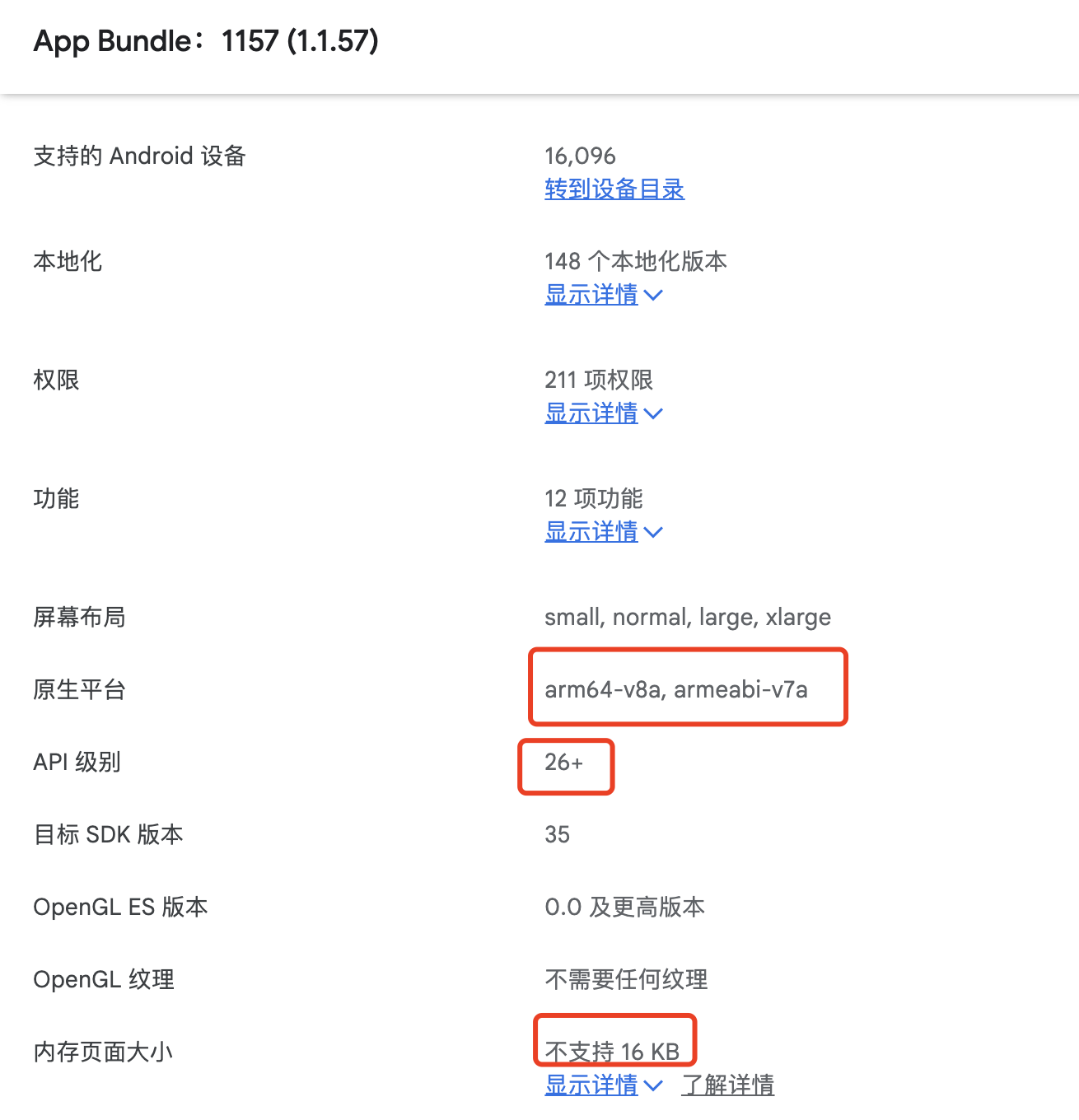
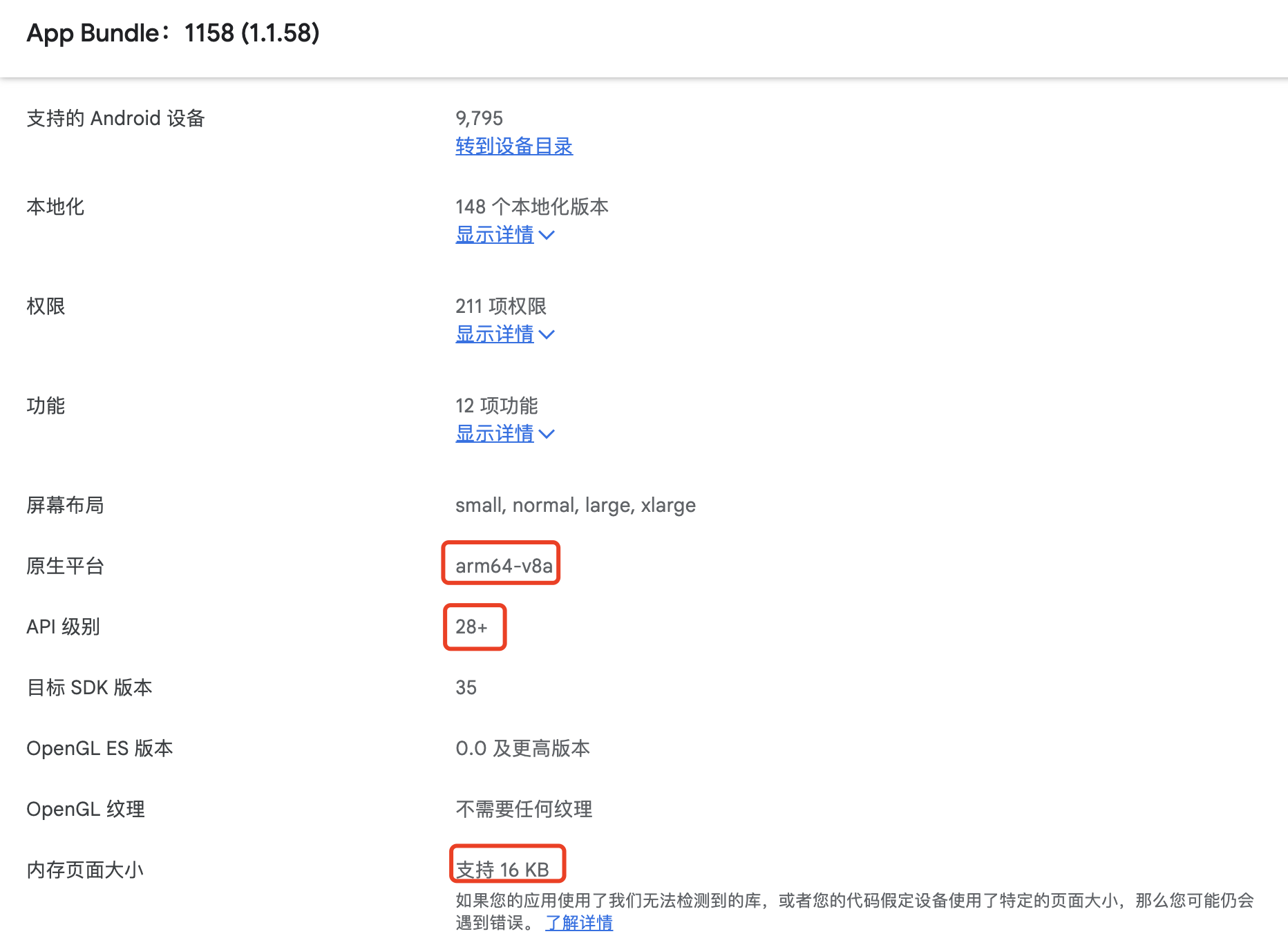
The number of supported devices dropped from 16,096 → 9,795. That's a loss of over 6,300 devices.
Before upgrade:
After upgrade:
The most important lesson here wasn't technical — it was strategic:
Once you make certain compliance upgrades, there is no rollback.
Even if the upgrade is "correct" from a policy standpoint, it may:
- narrow ABI compatibility
- exclude older or edge-case devices
- permanently reduce your reachable device pool
My takeaway: Unless a compliance upgrade is mandatory or time-critical, don't rush it. In Google Play, compliance changes are often one-way doors.
3. Adding local languages without understanding search behavior
I also tried expanding reach by adding localized store listings for:
- Pakistan
- Bangladesh
- Nepal
On paper, this made sense:
- large populations
- growing Android markets
- low competition in local languages
In reality, traffic barely changed.
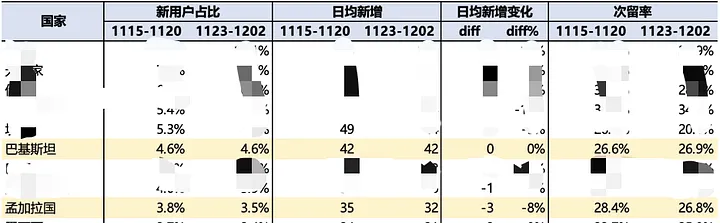
After analyzing search behavior more closely, the reason became clear:
- English is an official language in Pakistan and widely used
- In Bangladesh and Nepal, English dominates app and tool searches
- Native languages are often used for:
- government services
- local news
- civic or cultural content
For utility apps, localization alone doesn't create demand.
The real lesson: Localization must follow search behavior, not just demographics. If users search in English, local language listings won't magically unlock traffic.
4. Letting a major release hurt existing users
The most damaging mistake came from a product update, not ASO itself.
We released a major redesign that unintentionally disrupted how some long-term users used a key feature.
Within one week:
- app rating dropped from 4.5 to 3.6
- a large volume of negative reviews appeared
- organic traffic declined by over 30%
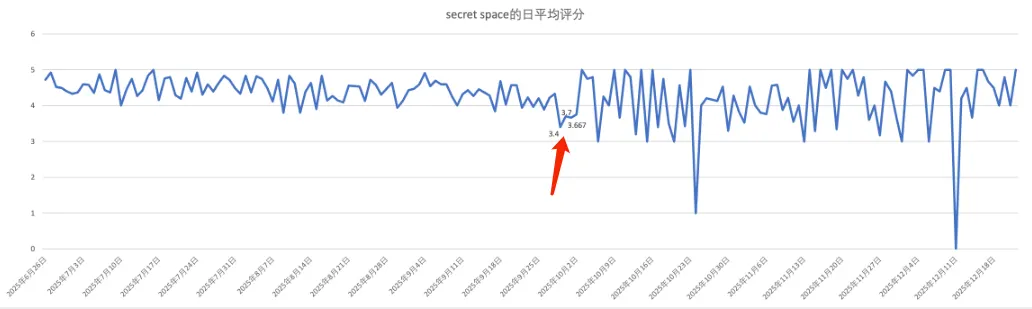
What I underestimated was how concentrated negative feedback amplifies Google's quality evaluation.
It wasn't just the rating drop — it was:
- review velocity
- consistency of complaints
- perception of regression rather than improvement
In 2025, Google Play reacts quickly to quality signals at scale. ASO cannot protect you from a broken release.
Final thoughts
Looking back, none of these mistakes were about missing a trick or not using the right tool.
They were about:
- misunderstanding user intent
- underestimating irreversible changes
- assuming scale without stability
- optimizing metadata while neglecting experience
In 2025, Google Play ASO feels less like keyword optimization and more like system-level trust building.
Traffic comes easier than it used to — but keeping it is harder.
And every mistake is amplified faster than before.